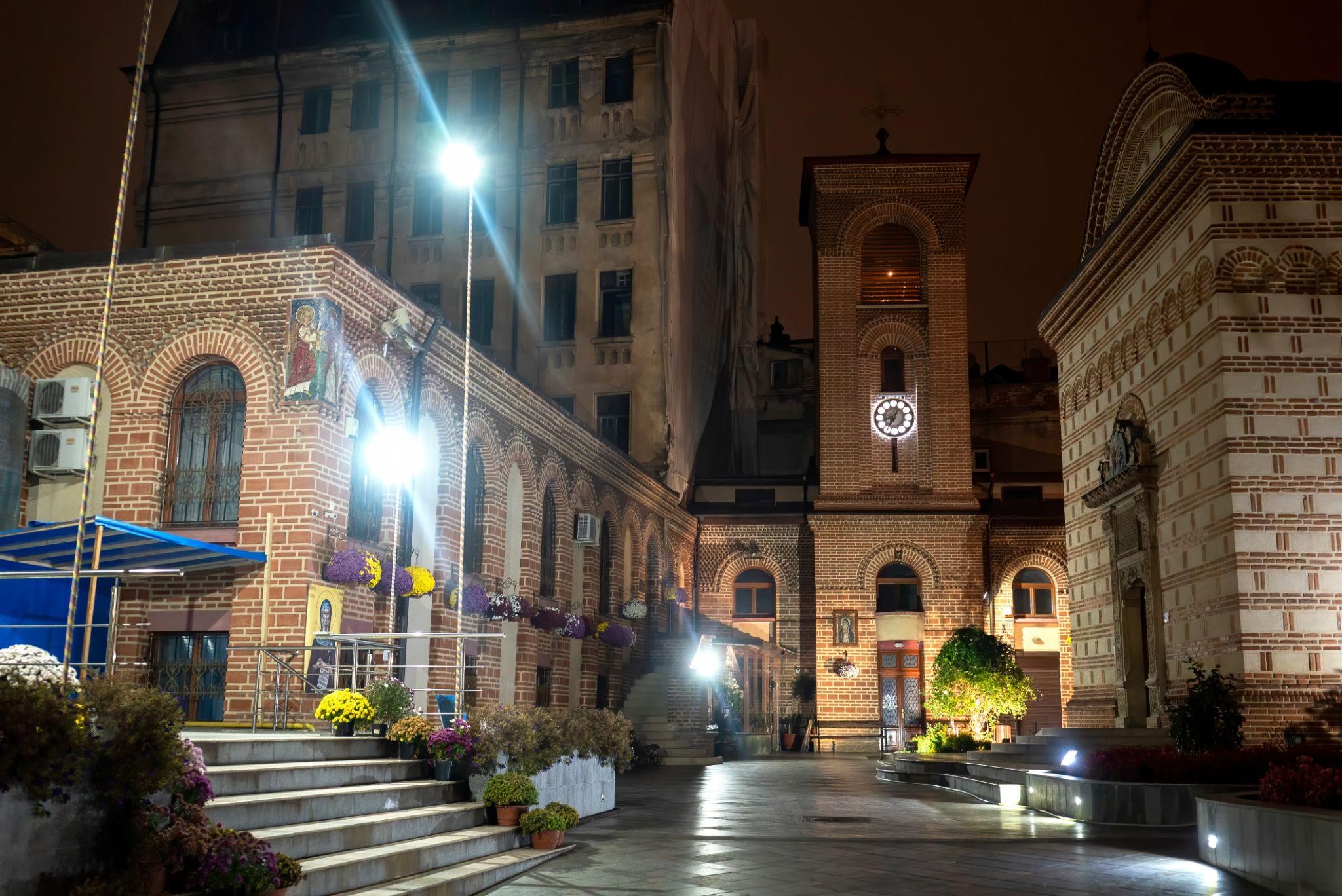
It is 9 p.m. in January. A customer leaves your store, keys in hand, and the far end of your lot is pitch black. She walks faster. She also remembers that feeling the next time she decides where to shop.
Light changes how people feel about a place. That is why outdoor lighting installation deserves real planning, not a quick trip to buy fixtures. The choices you make affect safety, your power bill, and even your insurance risk.
This guide covers what property owners and facility managers should know before work begins. Vision Line plans and installs lighting for commercial properties, so we will also point out the mistakes we see.
Why Commercial Outdoor Lighting Needs a Plan
Commercial outdoor lighting does three jobs at once. It helps people see where they walk. It makes trouble less likely. It also tells visitors that someone cares for the property.
Safety & Liability
Say a visitor trips over a dark curb and gets hurt. The owner may be asked why that area was so dim. Insurance companies notice these things, and good light levels are one of the cheaper ways to lower the risk.
Energy Cost
Exterior lights run all night, every night. Older metal halide and sodium lamps eat a lot of power. One warehouse client of ours cut its energy use by 90 percent after an LED upgrade. The company expects to save about $80,637 a year and earn its money back in 1.4 years. Your results will depend on your site, but the numbers show what is possible.
Start Your Outdoor Lighting Installation With a Night Walk
The best outdoor lighting installation begins after dark, not at a desk. Walk the property when the sun is down. Look for dark corners, bright spots that cause glare, entrances, loading docks, and places where cameras point. Take photos with your phone.
Ask for a Photometric Plan
A photometric plan is a map that shows where light will land and how bright it will be. It lets a designer test the layout on a screen first. Without one, buyers pay for too many fixtures or leave dark gaps.
Check Poles & Wiring
Old poles, rusty bases, and the wrong voltage can change the whole job. Find these problems before you get a price, not after the crew shows up.
Pick Light Levels, Not Just Watts
Watts tell you how much power a fixture uses. Lumens tell you how much light it makes. Foot-candles tell you how much light actually lands on the ground. Only the last one shows whether your lot is bright enough.
Parking lot lighting is where this matters most. The ranges below come from common Illuminating Engineering Society guidance. Treat them as a starting point, since local codes and lease terms can differ.
Area | Activity level | Average foot-candles |
Low-traffic lot or edge | Low | 0.5 to 1.0 |
Retail or office lot | Medium | 1.0 to 2.0 |
Busy retail or event lot | High | 2.0 to 5.0 |
Entrances and cash machines | Extra security | 5 or more |
Even light matters as much as bright light. A very bright spot next to a dark one makes your eyes work harder, so you see less. More lumens is not always better. Too much light adds glare and spills onto your neighbors.
Choose the Right Fixtures for Each Area
LED outdoor lighting for commercial buildings lasts longer and uses far less power than old lamps. Still, no single fixture fits every spot.
Fixture | Best for | Watch for |
Pole-mounted area light | Parking lots, drives | Pole height, spread pattern |
Wall pack | Building edges, doors, docks | Glare, shielding |
Flood light | Signs, small lots, walls | Aim and beam angle |
Bollard or canopy light | Walkways, fuel canopies | Impact damage |
Color Temperature
Many commercial sites pick 4000K to 5000K, which looks like clean white light. Some towns prefer warmer light, so check local rules first.
Quality & Listings
Look for fixtures on the DesignLights Consortium list. Many utility rebates require it. Very cheap fixtures can fail within months, which means you pay twice.
Screw-In Lamps or New Fixtures?
Screw-in LED lamps look like an easy fix. Electricians report early failures and tripped breakers with them. New fixtures with built-in controls usually hold up better. Good commercial exterior lighting should last for years.
Plan Security Lighting for Commercial Properties
Security lighting for commercial properties works best when lights, cameras, and layout are planned together. A few habits make a big difference:
- Light doors and walkways evenly so no one can hide in shadows.
- Use motion-triggered lights in areas few people visit.
- Pick fixtures with good color quality, which gives cameras clearer video.
- Aim lights down and shield them to cut glare.
Be careful with big promises. Research on lighting and crime is mixed, and harsh lights can create deep shadows. Smart design can help deter trouble, but light alone will not stop it. Parking lot lighting should also work with your camera angles, so check them together.
Follow Codes & Dark-Sky Rules
Many towns ask for shielded fixtures and limit light that spills onto neighbors. Some require lights to dim or shut off after closing. Rules for commercial exterior lighting also vary from one city to the next, so never assume your last project’s rules still apply.
Exit paths need emergency lighting that works during a power outage. Permits and inspections are part of every outdoor lighting installation too. An experienced commercial lighting contractor handles them for you.
Understand the Cost of Outdoor Lighting Installation
No two sites cost the same. The main price drivers are:
- Number of fixtures
- Pole work or trenching
- Lift access
- Controls and sensors
- Permits
Rebates can cut the bill by a lot. Many utilities pay per fixture for qualified LEDs, and extra money for controls is becoming more common. LED outdoor lighting for commercial buildings qualifies. Amounts change often, so check your utility’s live program page. Most programs also want approval before you buy, so do not order first.
Some utilities also offer 60-month, interest-free financing that you repay on your regular bill. Availability depends on where you are. Before any outdoor lighting installation starts, ask about both options.
How to Choose a Commercial Lighting Contractor
Use this checklist when you compare bids.
Question to ask | Why it matters |
Licensed and insured in your state? | Code, safety, and warranty |
Do they provide a photometric plan? | Removes guesswork |
Will they file rebate paperwork and handle inspections? | Saves time and protects incentives |
Do they own lifts and stock fixtures? | Faster schedule |
Can they show similar jobs? | Proof of experience |
Common mistakes are easy to spot ahead of time: wrong voltage, wrong brackets, poor spacing, no controls, and the wrong beam pattern. Ask each bidder how they avoid these.
Vision Line is a licensed commercial electrician in several states. The team owns its lift equipment, works as a trade ally with multiple utilities, and can start within two weeks of final approval. The process has three steps: tell the team about your building, review a tailored layout, then install with little disruption to your business.
Ready to Light Up Your Property?
A good outdoor lighting installation comes down to a few steps. Walk the site, set the right light levels, choose quality LED fixtures, follow local rules, and hire a skilled commercial lighting contractor. Do these well and your property feels safer, looks better, and costs less to run.
Vision Line can handle design, rebate paperwork, and installation from start to finish. Request a free consultation at visionline.co/contact, call 973-968-6006, or email sales@visionline.co. Let the Vision Line team turn your darkest corner into your best-lit space!
FAQs
How much does outdoor lighting installation cost for a commercial building?
It depends on fixture count, pole work, and controls. A site visit and a photometric plan give the most accurate price. Rebates may lower the final bill.
How many foot-candles does a commercial parking lot need?
Many retail and office lots aim for about 1 to 2 average foot-candles. Busy sites go higher. Your local code sets the final number.
Is LED outdoor lighting for commercial buildings worth it?
Usually yes. LEDs use less power, need fewer repairs, and last longer than older lamps. Rebates can speed up payback.
How long does installation take?
Small lots can take a day or two. Larger sites with pole work take longer.
Does security lighting for commercial properties really reduce crime?
It can help when it is planned well and paired with cameras. It is one layer of protection, not a cure-all.