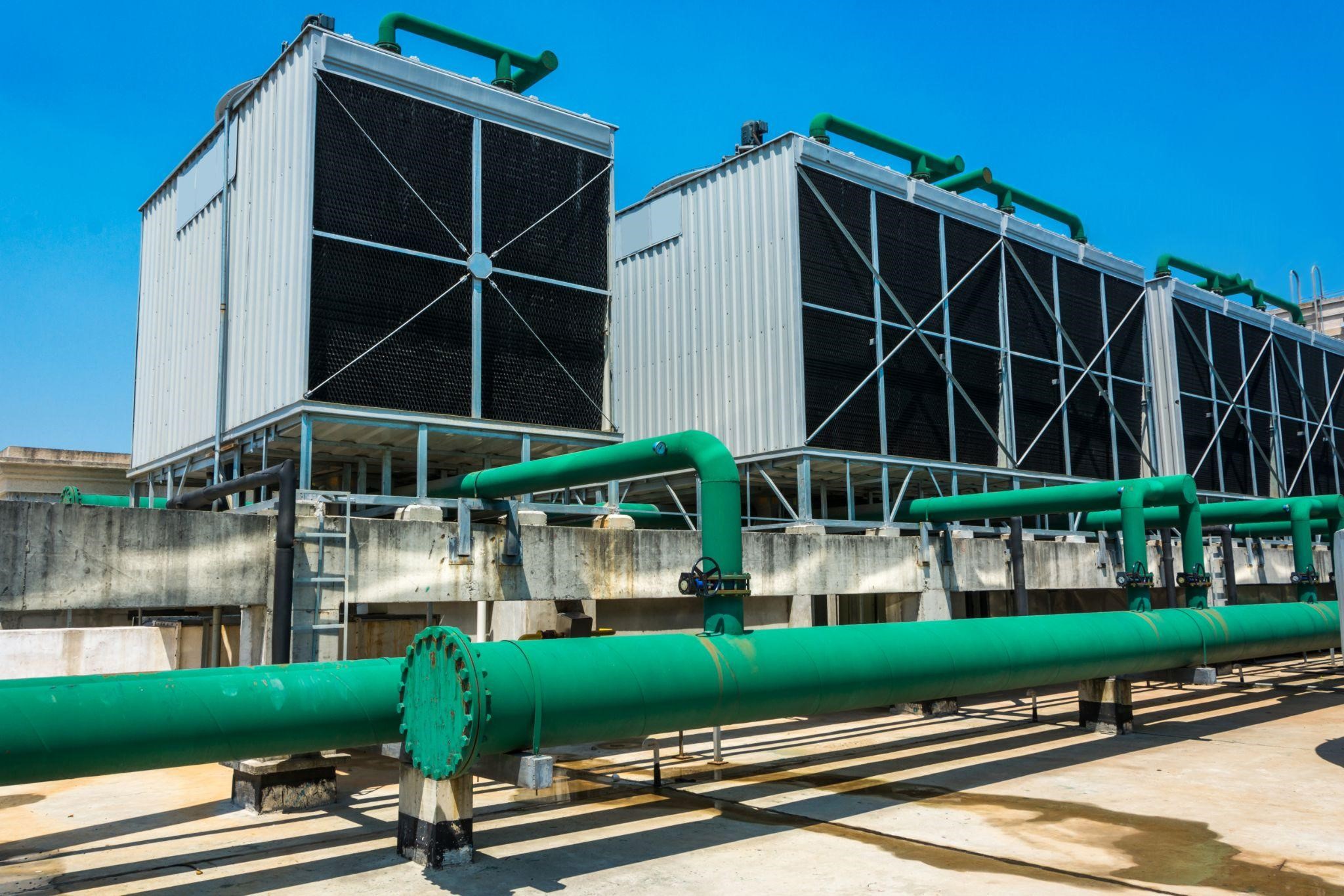
It’s 2 p.m. in July. A forklift rolls across a warehouse floor, the air feels thick, and a worker rubs his aching head. Up on the roof, the exhaust fans are running flat out, just like they have for years. Nobody has touched the settings because nobody thought they could.
This is more common than you’d think, and it costs you twice: once in power, and again in tired, uncomfortable people. Better ventilation fixes both. Vision Line is a licensed commercial electrician in Warren, NJ. We wire, power, and control the fans that keep your air fresh. Here is what that work includes and how it can lower your bills.
What Do Ventilation Electrical Services Include?
Ventilation moves fresh air in and pushes stale air out. Fans do the moving. But fans need safe wiring, the right breakers, and a way to know when to start and stop. That is where an electrician comes in.
Ventilation electrical services cover the circuits, disconnects, motor wiring, and sensors that keep a system running. Your HVAC contractor or engineer decides how much air you need. We make sure the system gets power safely and does what they planned.
Job | Electrician | HVAC contractor or engineer |
Fan circuits, breakers, disconnects | Yes | No |
Motor and drive wiring | Yes | Helps choose sizes |
Sensors and control wiring | Yes | Plans how it should behave |
Airflow targets and ductwork | No | Yes |
Electrical permits and inspection | Yes | No |
Commercial Ventilation: Where Electrical Work Matters Most
Commercial ventilation looks different in every building, so the electrical needs change too.
Offices, Retail Stores, and Mixed-Use Buildings
Roof fans, restroom fans, and kitchen exhaust all need steady power. When one fails, people notice fast. Rooms get stuffy, smells linger, and tenants complain. Timers or sensors can slow fans down at night when nobody is around.
Factories and Industrial Spaces
Heat, dust, and fumes call for bigger motors, mostly three-phase. Those need the right wire size, protection, and starters. Get it wrong and the breakers trip all day, or a motor burns out early.
Safety and Code Rules
Inspectors check commercial ventilation wiring. Insurance companies look at it after a claim. A certified electrician knows the code, pulls the permits, and stands with you at the final inspection. Proper work also keeps fan warranties valid.
Exhaust Fan Installation: What a Professional Job Looks Like
Exhaust fan installation seems simple. Mount the fan, connect some wires, flip the switch. In a real building, there is more to it.
Planning and Load Check
Before we touch a wire, we check the fan size, the motor rating, and your electrical panel. A big new fan on a full panel causes problems later.
Wiring, Disconnects, and Mounting
Each fan gets its own correctly sized circuit and a nearby disconnect, so maintenance crews can shut it off safely. Roof fans need weatherproof connections. We bring our own lifts, which helps us reach high walls and rooftops without delays.
Testing and Sign-Off
We confirm the fan spins the right way, check the amp draw, and test every switch. Then we handle the inspection.
Good exhaust fan installation avoids three common mistakes: wire that is too small, no local disconnect, and no path for replacement air. Fans can’t pull air from nowhere, so talk to your HVAC contractor about this early.
Warehouse Ventilation: Safety, Air Quality & Airflow
Warehouse ventilation is about more than heat. Propane and gas forklifts give off carbon monoxide. Battery chargers release gases. Dust and fumes from stored goods pile up. Without fresh air, workers get dizzy, tired, or sick.
Managers ask how many air changes per hour they need. Two different numbers float around. One is a rule of thumb for air changes. The other is a minimum fresh-air rate set by standards like ASHRAE 62.1. They measure different things, so let a design professional set your target. Our job is to power and control the fans so you hit it.
One more point: ventilation fans bring in fresh air, while big ceiling fans only stir the air that is already there. Both help. Neither replaces the other.
Warehouse problem | What it causes | Electrical fix |
Gas or propane forklifts | Carbon monoxide buildup | Exhaust fans tied to CO sensors |
Battery charging area | Gas buildup | Dedicated, interlocked fan circuit |
Hot air under the roof | Heat and discomfort | Roof fans on temperature control |
Busy dock doors | Changing air needs | Scheduled or sensor-based fan control |
We already work inside live warehouses, so we know how to keep your crew moving. If your warehouse ventilation and lighting both need work, we can plan the jobs together.
Variable Frequency Drives: Cut Fan Energy, Keep Air Moving
How Variable Frequency Drives Work
A variable frequency drive, or VFD, controls how fast a motor spins. Most fans run at full speed all day, even when the building needs less air. A VFD lets the fan slow down when demand drops.
The Savings Math
Fan power falls fast when speed falls. Slowing a fan by just 10% cuts its power use by about a quarter.
Fan speed cut | Power saved (about) |
10% | 27% |
20% | 49% |
50% | 87% |
These are ideal numbers. Real results depend on your system.
Installation Pitfalls
Variable frequency drives are picky. Never wire a drive after a contactor, because it can damage the drive. Drives can also whine, and changing the settings usually fixes the noise. Many single-phase motors can’t take a standard drive. Cable type matters too. We check all of this before ordering equipment, which saves you from costly surprises.
Ventilation Controls: Smarter Fans, Lower Bills
A fan that runs nonstop wastes money. Ventilation controls tell fans when to run and how hard. Here is how the main options compare:
Control type | Best for | Cost | Savings |
Timer | Steady schedules | Low | Low to medium |
Temperature or humidity | Heat and moisture | Medium | Medium |
CO, CO2, or occupancy sensor | Changing crowds | Medium to high | Medium to high |
Building automation | Many zones | High | High |
Timers, Thermostats & Humidistats
These are the simple, low-cost options. Run fans on a schedule, or only when it is hot or damp.
CO2, CO, and Occupancy Sensors
Sensors read the air and raise or lower airflow as needed. This is called demand-controlled ventilation. It works well where crowds or forklift traffic change through the day.
Building Automation Links
Fans can connect to a building automation system using common signals like BACnet, Modbus, or plain analog wires. Controls only save money when someone tests and tunes them.
We help with the wiring and startup checks.
How Vision Line Handles Your Ventilation Project
Our process has three steps.
- Tell us about your building. Share the size, the location, and what is going wrong.
- We plan the electrical work. We coordinate with your HVAC contractor or engineer so everything matches.
- We install with little disruption. You get clear updates, we handle inspections, and we finish with a final sign-off.
Many New Jersey utilities offer rebates for variable speed drives and controls. Rules and amounts vary by utility and project, so we check what applies to you and handle the paperwork. Visit our rebates page to see how that process works.
Ready to Improve Your Ventilation?
Good air protects your team, your equipment, and your budget. Vision Line can wire the fans, add the controls, and handle the inspection from start to finish. Call 973-968-6006, email sales@visionline.co, or use the contact form to book a free consultation.
You can also visit us at 45 Technology Drive Warren, NJ. Tell the Vision Line team what is wrong with your air, and we will show you how to fix it!
FAQs
What does ventilation electrical work include?
It covers wiring, breakers, disconnects, motor connections, sensors, and control wiring for fans and related equipment. We also handle permits and inspections.
How many air changes per hour does a warehouse need?
It depends on what happens inside. Forklifts, charging, and stored goods all change the answer. Ask your HVAC engineer for a target, and we will wire and control the fans to meet it.
Do I need a licensed electrician for exhaust fan installation?
In nearly all commercial cases, yes. Licensed work keeps you code-compliant, protects warranties, and lowers fire and shock risk.
Can any exhaust fan motor use a VFD?
No. Many single-phase motors can’t. Three-phase motors usually can, but the motor and fan need a check first. Variable frequency drives work best when matched to the motor.
Do ventilation upgrades qualify for rebates in New Jersey?
Often, yes, for items like drives and controls. It depends on your utility and the project details. We check before you buy.
How long does installation take?
It depends on the number of fans, roof access, and controls. We give you a timeline after seeing the site.