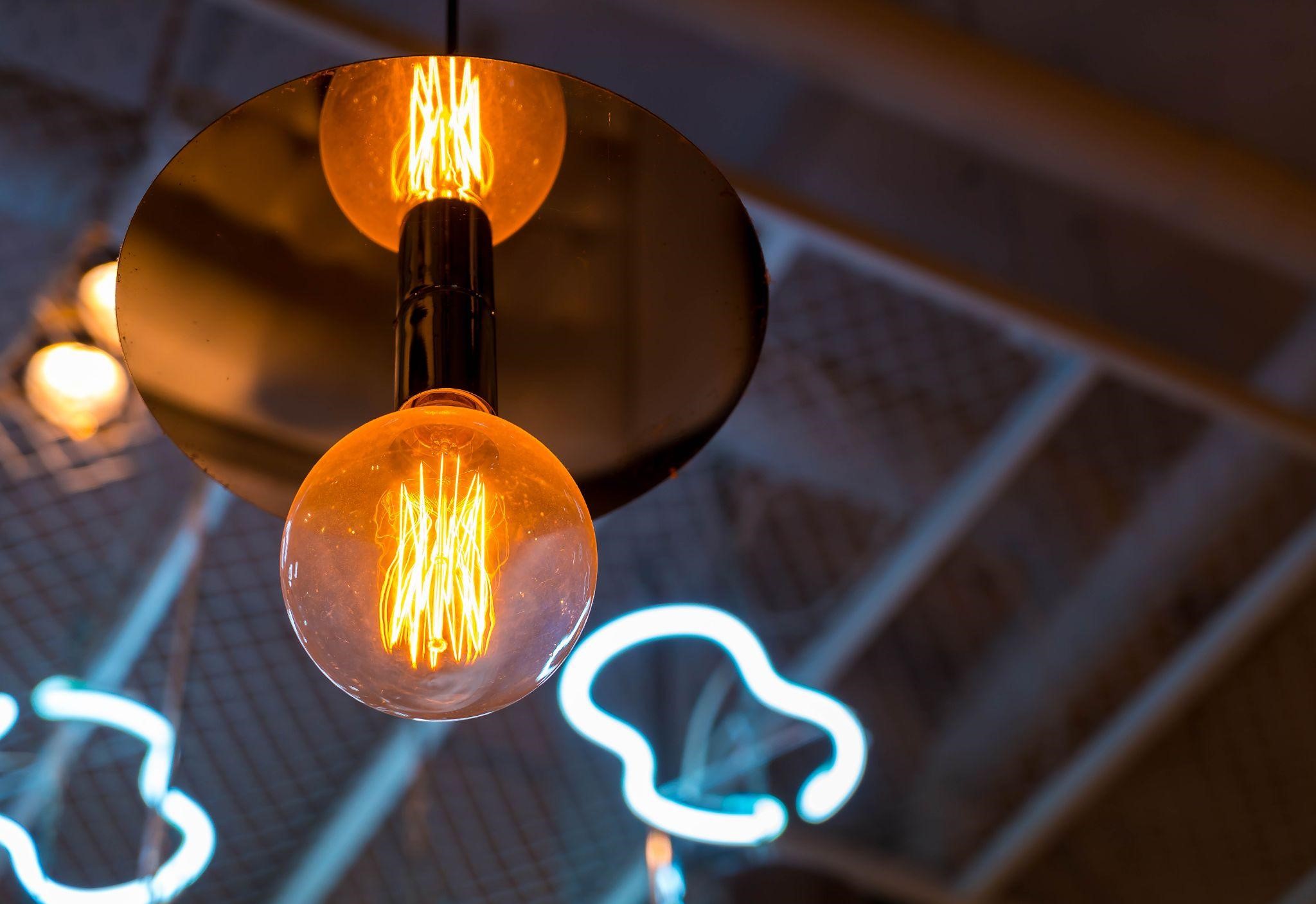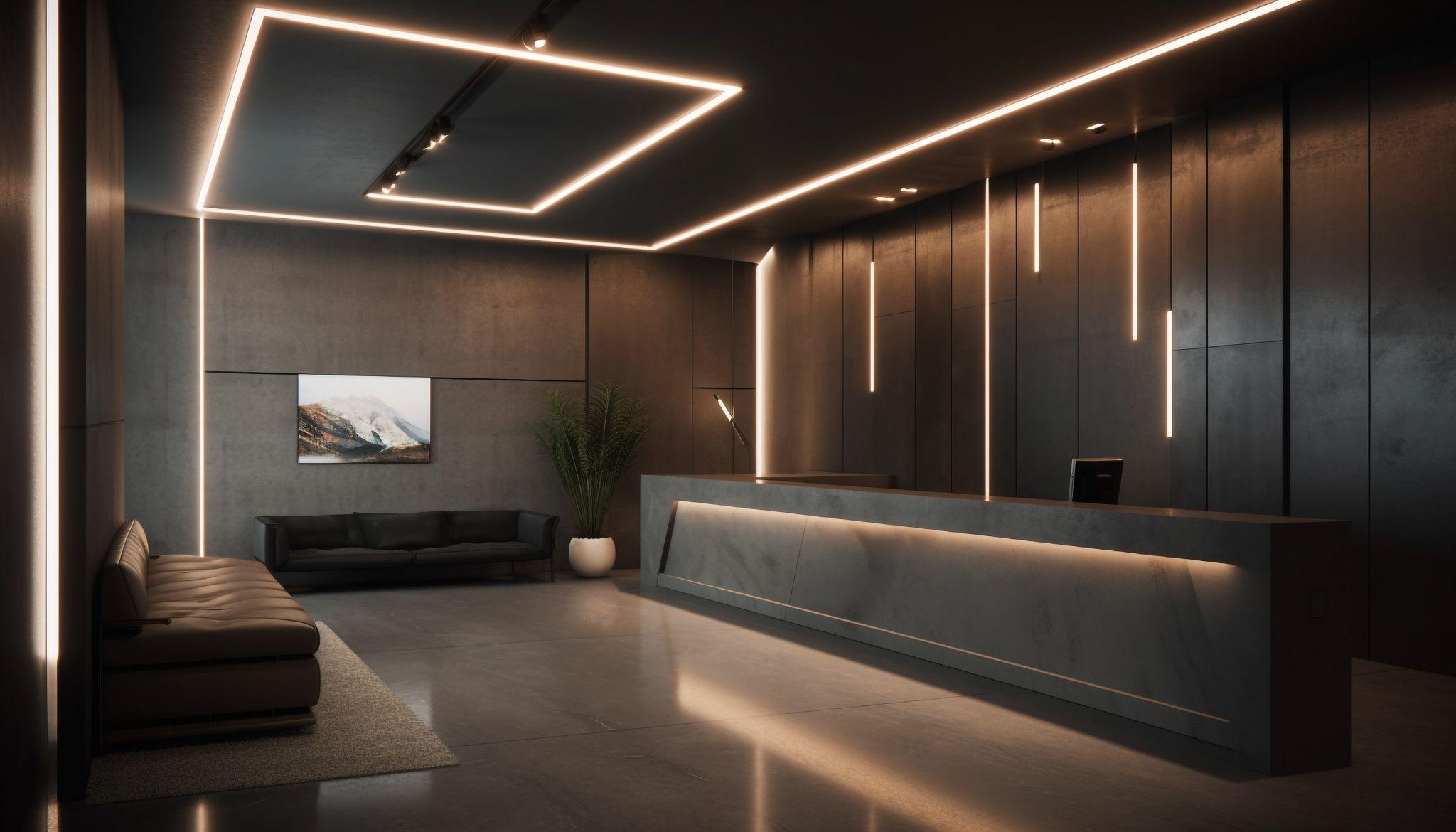
Walk through your warehouse after closing time. Are the lights still on? In plenty of buildings, they are. Nobody is there, but the meter keeps spinning, and the bill keeps growing.
LED fixtures solve part of that problem. Smart lighting controls solve the rest. They shut lights off in empty rooms, dim them when sunshine pours in, and let you manage a whole building from one screen. At Visionline, we handle lighting controls installation for New Jersey businesses, and we have seen how much waste a few well-placed sensors can erase. This guide explains how each system works, which one fits your space, and how a lighting controls rebate can cover a big share of the cost.
What Are Lighting Controls & Why Do They Matter Now?
Lighting controls are the devices and software that decide when lights turn on, how bright they get, and when they shut off.
Energy costs keep rising, and many building codes now ask for some kind of automatic shutoff. Industry sources say sensors and daylight controls together can cut lighting energy use by about 30% to 60% compared with lights that have no controls. Your numbers will depend on your building, but that range shows how much waste can hide in plain sight.
Utilities have noticed, too. More programs now pay for controls, not just new fixtures. We cover that below. First, let’s meet the three main tools!
Occupancy Sensors & Motion Sensor Lighting
An occupancy sensor notices when people are in a room. When nobody has moved for a set time, it turns the lights off. This is the easiest way to start with motion sensor lighting, and it pays off fast in places people use on and off all day, like restrooms, break rooms, storage rooms, and warehouse aisles.
Occupancy vs. vacancy sensors
An occupancy sensor turns lights on when you walk in. A vacancy sensor makes you press the switch, then turns the lights off for you when you leave. Vacancy sensors can save more energy, since people skip the switch when a room already has enough daylight.
Common sensor types
Type | How it detects people | Best for | Watch out for |
PIR (passive infrared) | Body heat and movement | Small rooms, restrooms, corridors | Can miss someone sitting still |
Ultrasonic | Sound waves bouncing back | Rooms with shelves or partitions | Moving air can cause false triggers |
Dual-tech | Both methods together | Offices, classrooms | Costs a bit more |
Vacancy (manual-on) | Auto-off only | Private offices, meeting rooms | Needs people to flip the switch |
Where to use them & where not to
Sensors work great in hallways, stairwells, storage areas, and aisles. Be careful in electrical rooms. If the lights click off while someone works near live equipment, that is a real safety problem, so these rooms need a different plan. In open offices, pick dual-tech sensors so the lights don’t go dark on a person quietly typing at a desk.
Daylight Harvesting: Free Light Near Windows & Skylights
Daylight harvesting uses a small light sensor to measure how much sunshine enters a space. When it is bright outside, nearby fixtures dim. When clouds roll in, they brighten again. Workers barely notice the change, but your meter does.
Why some systems fail
Some early daylight harvesting projects let owners down. The usual causes are sensors placed in the wrong spot, poor setup, and design teams that never talked to each other. When lights behave oddly, people override them, and the savings disappear.
Where it pays off most
Perimeter offices, warehouses with skylights, showrooms, and lobbies see the biggest gains. A few simple rules help:
Group fixtures by their distance from windows.
Keep sensors away from glare and shiny surfaces.
Calibrate on site, not just on paper.
Check the settings again after a month.
Networked Lighting Controls: One Dashboard for the Whole Building
Networked lighting controls connect fixtures, sensors, and switches so they can talk to each other. Instead of adjusting each room by hand, you manage schedules, dimming levels, and zones from one screen.
Benefits beyond energy savings
These systems can show you which areas use the most power, flag a fixture that stopped working, and let you change settings from your desk. Research done for the DesignLights Consortium found that they can deliver benefits several times their cost, especially when linked to heating and cooling.
When they make sense
They fit best in larger buildings, sites with many zones, or businesses with several tenants. For a single small room, basic sensors usually do the job.
Factor | Standalone sensors | Networked lighting controls |
Upfront cost | Lower | Higher |
Scheduling and reports | Limited | Centralized |
Growth | Room by room | Whole building or many sites |
Best for | Simple spaces | Large or multi-zone facilities |
How Lighting Controls Installation Works
A good lighting controls installation starts long before anyone climbs a ladder. At Visionline, the process looks like this:
Facility review. We study your building, your current fixtures, and how people use each space.
Design. We plan the layout, the light levels, and the right controls for each zone.
Rebate paperwork. We file your application and handle pre-inspection visits.
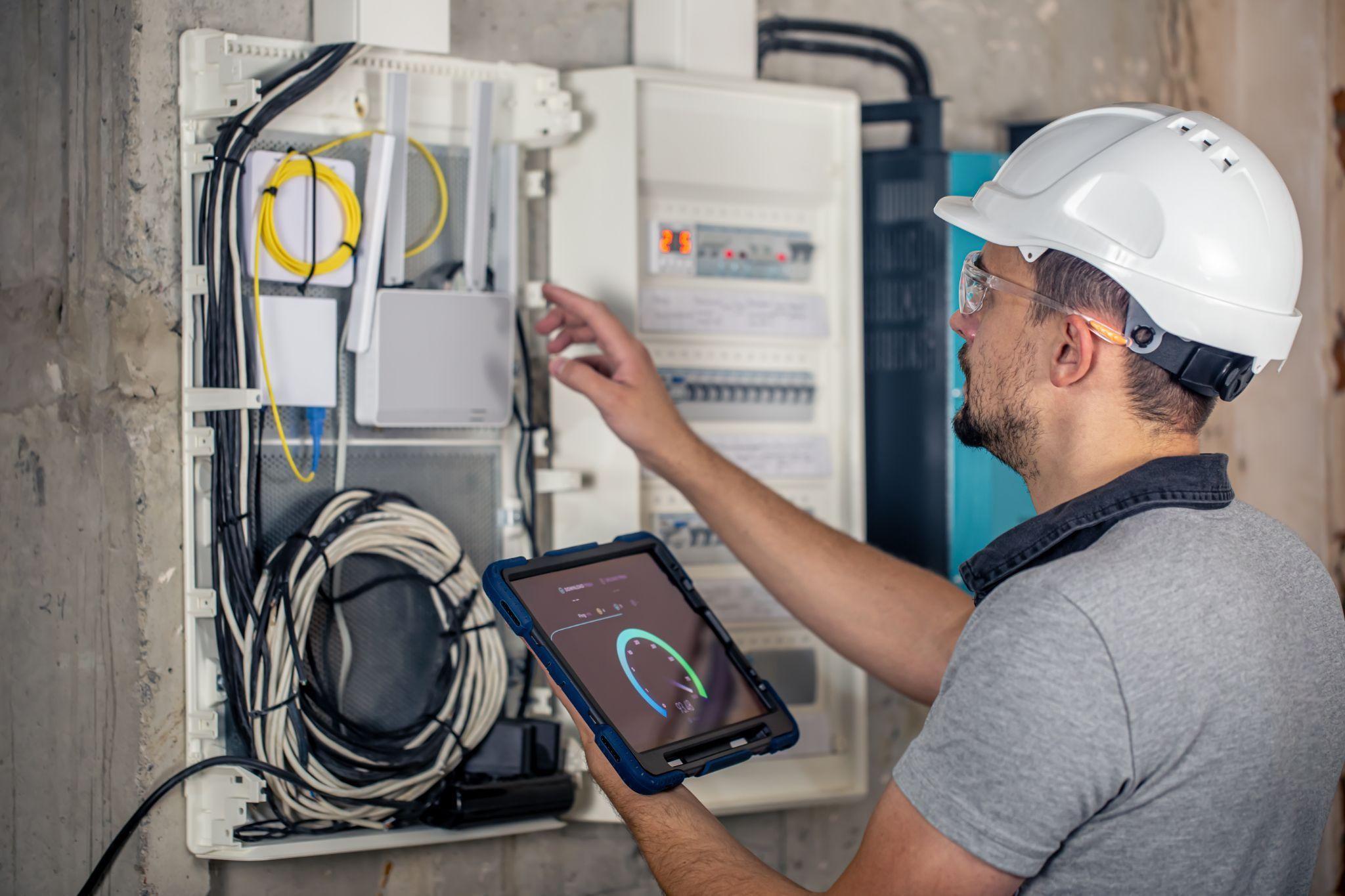
Installation. Our licensed electricians install fixtures and controls, using our own lift equipment.
Closeout. We finish the final paperwork and inspections.
Retrofit or new construction
Many jobs are retrofits. Old fixtures are swapped for LEDs that work with dimming controls, usually through a common dimming connection called 0-10V. New builds are simpler because the wiring can be planned from day one.
Setup matters as much as hardware
After installation, sensors need to be aimed, time delays set, and light sensors calibrated. Skipping this step is why some systems act strangely a few weeks later. We also train your staff, so nobody is left guessing how things work.
Keeping your business running
We work around your schedule, and installation can begin within about two weeks of final approval. Using certified electricians also protects safety, code compliance, and fixture warranties.
Lighting Controls Rebate: How to Offset the Cost
Many utility programs pay businesses that upgrade to efficient lighting and controls. In New Jersey, these programs are funded by a charge that is already on your utility bill, so you have been paying in for years. A lighting controls rebate lets you get some of that money back.
How the process works
First, your application is reviewed and you receive a pre-approval letter. Then the work is done. After that, final paperwork shows the project matched the plan and has been paid for, and the program processes your payment. Do not start work before you have approval.
Financing
Some utilities offer 60-month, interest-free loans that are paid through your regular bill. Availability depends on your area and utility.
Item | What to know |
Rebate size | Can reach up to 80% of project cost, depending on the project |
Timing | Get pre-approval before work begins |
Financing | 60-month on-bill option, where available |
Paperwork | Handled by your lighting partner |
Programs change, so always confirm current rules before you plan your budget.
Real-World Results
Colo-Rite, a Visionline client, cut its energy use by 90% after a full LED upgrade. The company expects to save $80,637 a year, with an average payback of 1.4 years. That project covered the whole lighting upgrade, not just controls, but it shows what can happen when design, equipment, and incentives work together.
Ready to Cut Your Lighting Costs?
Lighting controls turn a good LED upgrade into a great one. Sensors stop waste in empty rooms, daylight harvesting trims power near windows, and networked systems give you one place to run it all. With the right plan and a rebate behind it, the project can pay for itself quickly.
Want to see what your building could save? Visionline can review your space, design the right controls, and handle the rebate paperwork from start to finish. Request your free consultation on our contact page, call 973-968-6006, or email sales@visionline.co.
FAQs
What are commercial lighting controls?
They are sensors, timers, dimmers, and software that turn lights on, off, up, or down based on people, time, or daylight. Businesses use them to cut waste and meet code.
How much can motion sensor lighting save?
It depends on how frequently a space sits empty. Rooms used for only a few hours a day see the biggest drops. Industry sources put combined savings from controls at about 30% to 60%.
Is daylight harvesting worth it?
Yes, in rooms with windows or skylights, as long as the sensors are placed and calibrated well. Poor setup is the main reason it disappoints.
Are lighting controls required by code?
Often, yes. Many codes require automatic shutoff and daylight response in certain spaces. Rules vary by location and building type, so check with a licensed professional.